The Essential Benefits of Regular Tree Trimming for Optimal Tree Health
- Mar 11
- 3 min read
Updated: Apr 15
Trees are more than just beautiful additions to your property. They provide shade, improve air quality, and increase property value. Yet, many homeowners overlook a crucial aspect of tree care: regular trimming. Proper tree trimming keeps your trees healthy, safe, and looking their best. This post explains why trimming your trees regularly is essential and offers practical advice to help you maintain a thriving landscape.
How Tree Trimming Supports Tree Health
Trees grow continuously, but not all growth is beneficial. Dead, diseased, or overcrowded branches can harm a tree’s health. Trimming removes these problematic parts, allowing the tree to focus its energy on strong, healthy growth.
Prevents disease spread: Removing infected branches stops fungi and bacteria from spreading to other parts of the tree.
Improves air circulation: Thinning dense branches lets air flow through the canopy, reducing moisture buildup that attracts pests and diseases.
Encourages new growth: Cutting back old or weak branches stimulates the tree to produce fresh shoots and leaves.
For example, oak trees prone to fungal infections benefit greatly from regular trimming. Removing affected limbs early can save the entire tree from decline.
Enhancing Safety Around Your Property
Overgrown trees can pose serious safety risks. Branches that hang too low or grow too close to power lines, roofs, or walkways increase the chance of accidents or damage.
Reduces falling branch hazards: Dead or weak branches are more likely to fall during storms or high winds.
Prevents interference with structures: Trimming keeps branches away from buildings, preventing damage to roofs, gutters, and siding.
Improves visibility: Clearing branches near driveways and sidewalks helps drivers and pedestrians see clearly.
A homeowner in a windy region shared how trimming large limbs near their house prevented costly roof damage during a storm. This example shows how trimming is a smart investment in safety.
Boosting Your Landscape’s Appearance
Well-trimmed trees look neat and balanced, enhancing the overall appeal of your yard. Regular trimming shapes trees to complement your landscape design and keeps them from becoming unruly.
Maintains natural shape: Pruning preserves the tree’s natural form and prevents awkward growth.
Highlights focal points: Trimming can open up views to other garden features or architectural elements.
Supports healthy flowering and fruiting: Removing old branches encourages better blooms and fruit production.
For instance, fruit trees like apple or cherry require annual trimming to maximize fruit yield and keep branches strong enough to support the harvest.
When and How to Trim Your Trees
Timing and technique matter when trimming trees. The wrong approach can harm your trees instead of helping them.
Best seasons for trimming: Late winter or early spring is ideal for most trees because they are dormant and less vulnerable to stress.
Avoid heavy trimming in summer: Cutting too much during active growth can weaken the tree.
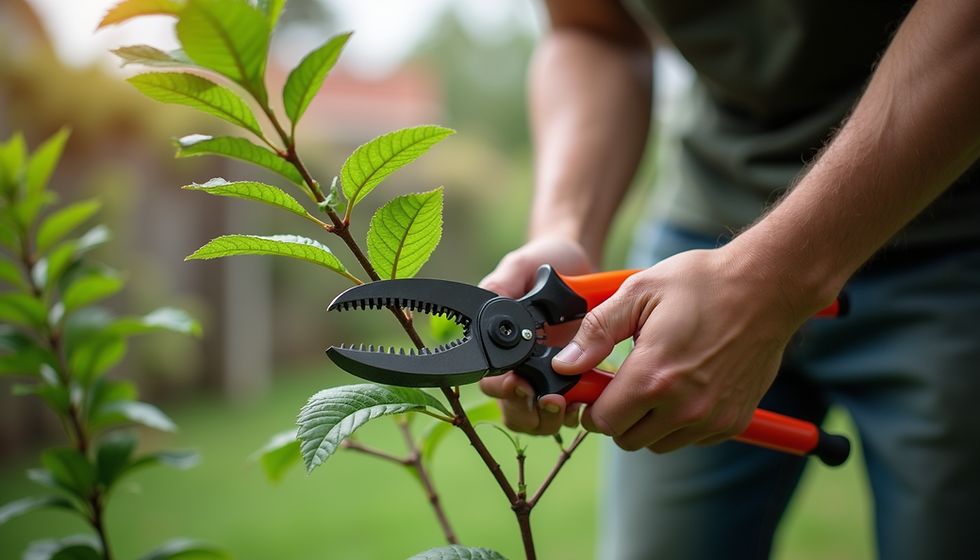
Use proper tools: Sharp pruning shears, loppers, and saws make clean cuts that heal faster.
Follow correct pruning methods: Cut just outside the branch collar (the swollen area where the branch meets the trunk) to avoid damaging the tree.
If you are unsure about trimming large or high branches, hiring a professional arborist is safer and ensures the job is done correctly.
Signs Your Trees Need Trimming
Knowing when to trim is as important as how to trim. Watch for these signs that your trees need attention:
Branches rubbing against each other or the trunk
Dead or broken limbs
Dense canopy blocking sunlight
Branches growing too close to power lines or structures
Excessive leaf drop or poor growth
Ignoring these signs can lead to bigger problems, including tree decline or safety hazards.
Environmental Benefits of Tree Trimming
Regular trimming also benefits the environment by promoting healthier trees that better absorb carbon dioxide and produce oxygen. Healthy trees support local wildlife by providing shelter and food.
Improves tree longevity: Healthy trees live longer and continue to provide environmental benefits.
Reduces storm damage: Well-maintained trees are less likely to fall or lose large limbs during storms, protecting the surrounding ecosystem.
Supports biodiversity: Properly trimmed trees create habitats for birds, insects, and other wildlife.
By caring for your trees, you contribute to a greener, healthier environment.
su-tree is here for all your help needs
at. su-tree service we specialize in tree care industry .for all yours tree care needs
www.su-tree.com 404-392-6935
free consultan .free estimate


Comments