The Importance of Pruning Trees for Health and Growth
- Feb 4
- 3 min read
Updated: Apr 15

Su-Tree Service Inc.
Trees are vital to our environment and landscapes, but they require care to thrive. One essential practice for maintaining healthy trees is pruning. Pruning is more than just trimming branches to keep a tree looking neat; it plays a crucial role in the tree’s health, safety, and growth. Understanding why trees need to be pruned helps homeowners, gardeners, and landscapers make informed decisions that benefit both the trees and their surroundings.

Why Trees Need Pruning
Trees grow naturally, but without intervention, some branches can become weak, diseased, or overcrowded. Pruning helps manage these issues by removing problematic parts of the tree. Here are the main reasons trees need pruning:
Health Improvement
Removing dead, diseased, or damaged branches prevents decay from spreading. It also allows the tree to focus its energy on healthy growth rather than trying to sustain unhealthy limbs.
Safety
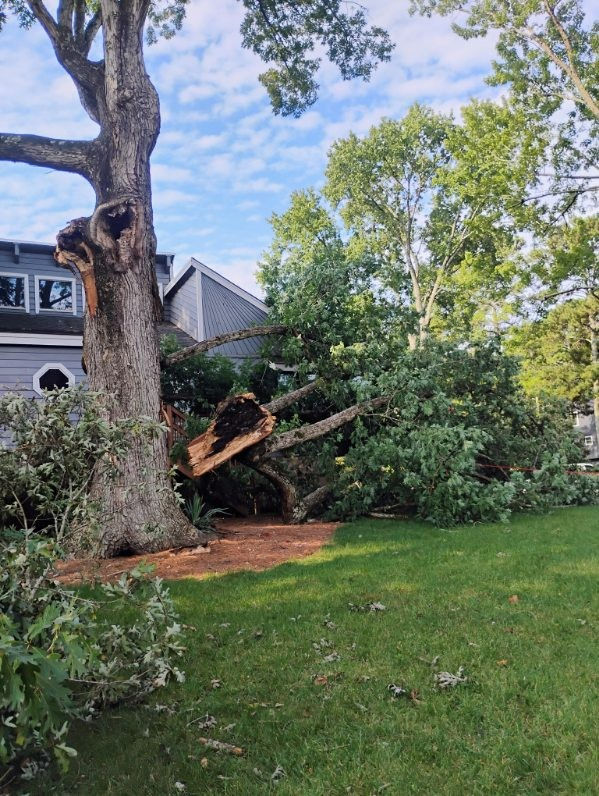
Overgrown or weak branches can fall and cause injury or property damage. Pruning reduces the risk by eliminating branches that might break during storms or heavy winds.
Growth Management
Pruning shapes the tree and encourages strong structure. It helps control the size and direction of growth, which is especially important for trees near buildings, power lines, or walkways.
Aesthetic Appeal
Well-pruned trees look balanced and attractive. Pruning can enhance the natural form of the tree, making it a beautiful feature in any landscape.
When to Prune Trees
Timing matters when pruning trees. Pruning at the wrong time can stress the tree or make it vulnerable to pests and diseases. The best time to prune depends on the tree species and the purpose of pruning:
Dormant Season Pruning
Most trees benefit from pruning during late winter or early spring before new growth starts. This timing minimizes sap loss and reduces the chance of infection.
After Flowering
For trees that bloom in spring or summer, pruning right after flowering helps preserve the blooms for the next season.
Avoid Pruning in Late Summer or Fall
Pruning late in the growing season can stimulate new growth that may not harden off before winter, leading to damage.
How to Prune Trees Properly
Pruning requires technique and care to avoid harming the tree. Here are some practical tips for effective pruning:
Use the Right Tools
Sharp pruning shears, loppers, and saws make clean cuts that heal faster. Disinfect tools between cuts to prevent spreading disease.
Cut at the Branch Collar
Make cuts just outside the swollen area where the branch meets the trunk or a larger branch. This helps the tree seal the wound properly.
Remove Problematic Branches First
Start by cutting dead, damaged, or diseased branches. Then thin out crowded areas to improve air circulation and light penetration.
Avoid Over-Pruning
Removing too many branches at once can stress the tree. Limit pruning to no more than 25% of the tree’s canopy in a single session.
Shape the Tree Naturally
Follow the tree’s natural form rather than forcing an unnatural shape. This supports healthy growth and structural integrity.
Benefits of Regular Pruning
Regular pruning offers long-term benefits that keep trees healthy and safe:
Stronger Branch Structure
Pruning encourages the development of strong branches that can withstand weather conditions.
Reduced Pest and Disease Risk
Removing infected parts early prevents problems from spreading.
Improved Air and Light Access
Thinning the canopy allows sunlight and air to reach inner branches, promoting photosynthesis and reducing fungal growth.
Enhanced Property Value
Healthy, well-maintained trees add beauty and value to homes and neighborhoods.
Common Mistakes to Avoid
Pruning mistakes can harm trees or reduce their lifespan. Avoid these common errors:
Topping Trees
Cutting the top of a tree severely damages it and leads to weak, fast-growing shoots.
Leaving Stubs
Cutting branches too far from the trunk leaves stubs that do not heal well and invite decay.
Using Dull Tools
Ragged cuts from dull tools increase the risk of disease.
Ignoring Tree Species Needs
Different trees have different pruning requirements. Research your tree species before pruning.
When to Call a Professional
Some pruning jobs require expert knowledge and equipment. Consider hiring a professional tree company if:
The tree is large or near power lines
You need to remove large branches or deadwood
The tree shows signs of disease or pest infestation
You want to ensure proper pruning for a valuable or historic tree
Professionals can assess tree health, prune safely, and provide advice on ongoing care.
If you have any questions call Su-Tree Service at 404-392-6935 and Jose will gladly help you.

Comments