Why Removing Pine Beetle Infested Trees is Crucial for Forest Health and Ecosystem Safety
- Feb 4
- 3 min read
Updated: Apr 15

Su-Tree Service Inc.
Pine beetle infestations pose a serious threat to forests across many regions. These tiny insects can cause widespread damage, turning healthy pine trees into dead wood and disrupting entire ecosystems. Understanding why removing infested trees matters is essential for anyone who cares about forest health, whether you are a landowner, forest manager, or nature enthusiast.

The Impact of Pine Beetle Infestations on Trees and Ecosystems
Pine beetles are small insects that bore into the bark of pine trees to lay their eggs. As larvae develop, they feed on the inner bark, disrupting the tree’s ability to transport water and nutrients. This feeding activity causes the tree to weaken and eventually die. The damage is not limited to individual trees; infestations can spread rapidly, affecting large forest areas.
When pine beetles kill many trees, the consequences ripple through the ecosystem:
Loss of habitat for birds, mammals, and insects that depend on healthy pine forests.
Increased fire risk due to dead, dry trees that serve as fuel.
Altered water cycles as tree loss affects soil moisture and runoff.
Reduced carbon storage, impacting climate regulation.
The health of surrounding trees also declines as beetles move from one host to another, creating a domino effect that can transform vibrant forests into dead stands.
Signs of Pine Beetle Infestation to Watch For
Early detection is key to managing pine beetle outbreaks. Look for these signs on pine trees:
Pitch tubes: Small, reddish-brown or white masses of resin on the bark where beetles have entered.
Boring dust: Fine sawdust accumulating at the base of the tree or in bark crevices.
Discolored needles: Needles turning yellow, red, or brown, often starting at the top of the tree.
Small exit holes: Tiny round holes in the bark where adult beetles have emerged.
Dead branches: Branch dieback or thinning foliage.
If you notice several of these symptoms, the tree is likely infested and requires attention.
Risks of Leaving an Infested Tree Untreated
Ignoring a pine beetle infested tree can have serious consequences:
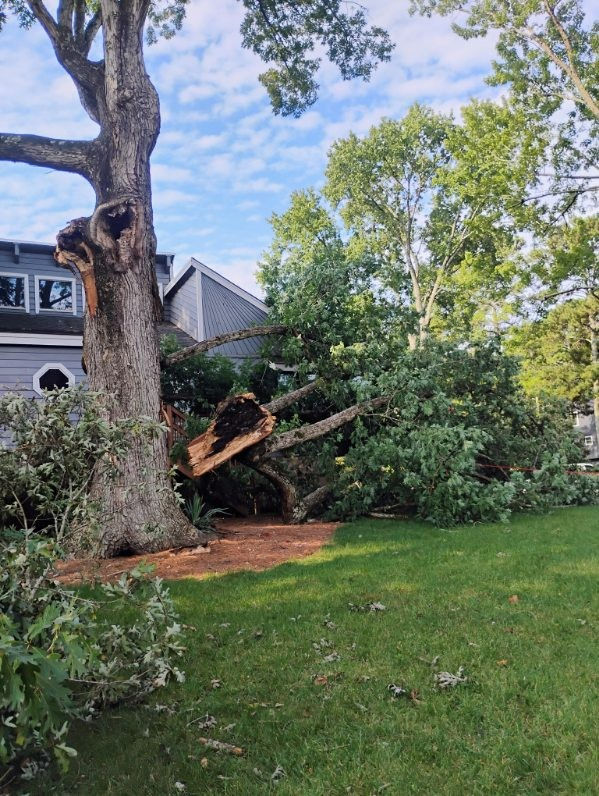
Spread of infestation: Beetles can fly to nearby healthy trees, multiplying the problem.
Increased fire hazard: Dead trees dry out and become highly flammable.
Economic loss: Timber value drops as wood quality deteriorates.
Ecological damage: Loss of biodiversity and disruption of forest functions.
In some regions, infestations have wiped out millions of acres of pine forests, showing how quickly the problem escalates without intervention.
Best Practices for Safe Removal and Disposal of Infested Trees
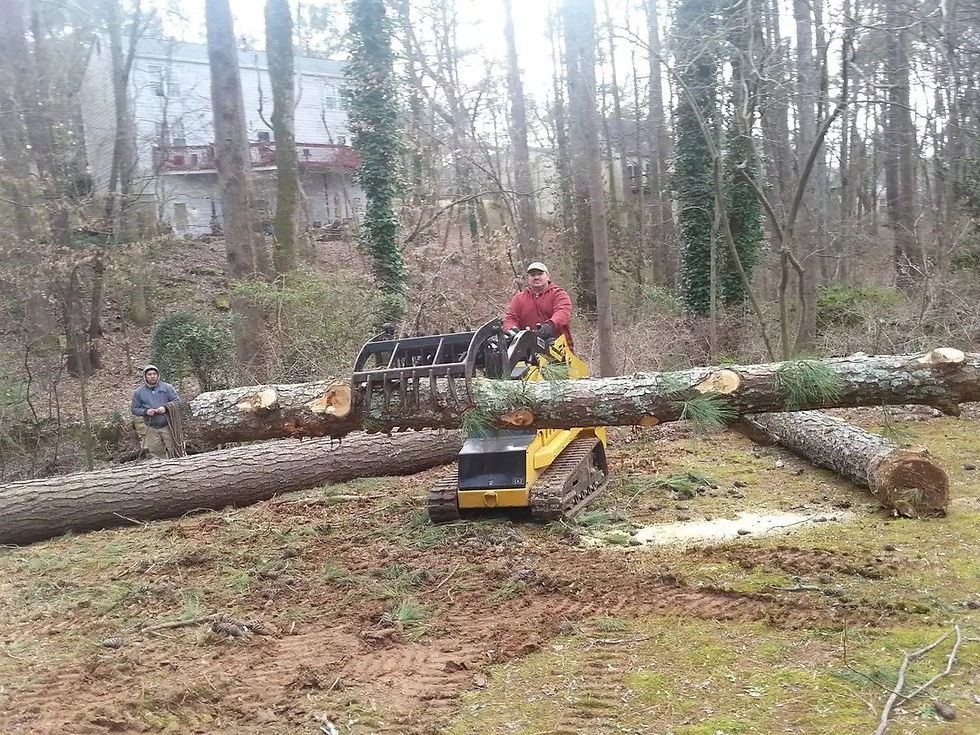
Removing infested trees requires care to prevent further spread of beetles:
Timing: Remove trees during beetle dormancy periods, usually late fall to early spring, to reduce beetle activity.
Cutting: Use clean, sharp tools to fell trees and minimize bark damage.
Debarking or chipping: Removing bark or chipping wood destroys beetle larvae and eggs.
Proper disposal: Burn, chip, or bury infested material away from healthy forests.
Sanitation logging: Remove infested trees promptly to reduce beetle populations.
Following these steps helps contain infestations and protects nearby trees.
Benefits of Proactive Tree Management for Forest Health
Taking action before infestations become severe supports long-term forest resilience:
Maintains biodiversity by preserving habitat for wildlife.
Reduces wildfire risk by removing dead and dying trees.
Supports timber industry with healthier, more valuable trees.
Enhances ecosystem services such as clean air, water regulation, and carbon storage.
Promotes forest regeneration by allowing space and resources for new growth.
Regular monitoring and management create stronger forests that can better withstand pests and environmental stresses.
If you have more questions you can call Jose for more information or advice at
404-392-6935
Comments